Replacing struts and shocks is a common part of car repair. Below we’ll look at how much it costs to replace them, signs of damage, whether it’s worth replacing, the differences between struts and shocks, and how to repair them.
Shocks and struts replacement costs
Typical Replacement Cost Table
| Component | Estimated Cost | Notes |
|---|---|---|
| Front Shock (each) | $150–$300 | OEM vs Aftermarket affects price |
| Rear Shock (each) | $100–$250 | Usually cheaper than front |
| Front Strut (each) | $300–$600 | Includes coil spring assembly |
| Labor per axle | $120–$300 | Varies by location and vehicle |
| Alignment | $80–$150 | Often required after replacement |
Shocks and struts are parts that are prone to wear and tear during the use of the car. This article lists three factors that affect the replacement cost of shocks and struts. You can get a better understanding of the overall repair cost. If you replace it at a regular auto repair shop, it will cost you $450 to $1,100. If you repair it at a 4S shop, your expenses can be expected to be higher. If you are a car repair expert, then you only need to pay the cost of purchasing the shocks and struts.

Parts cost
Shocks: This depends on your car model. Generally, the higher the value of the car, the higher the price of the shock. For example, a Toyota Corolla costs about $200, while a Mercedes-Benz costs thousands of dollars.
Struts: For performance reasons, the price of struts is higher than the price of shock. This means that it costs more to replace struts, especially for mid-to-high-end models. The cost is at least about $300.
Labor costs
The cost of workers is an important factor in the cost of replacing shocks and struts. It varies according to the worker’s technical conditions, the repair point, the region, etc. It should be noted that the higher the price of the parts themselves, the higher the maintenance time cost. Especially if your car is imported, the cost will be more expensive than ordinary cars.
Market supply
The price of shocks and struts is not fixed and will be affected by market demand. When the cost of raw materials, logistics freight, etc. change, it will eventually affect the price of shocks and struts. It may be more expensive or less expensive.
Symptoms of failing shocks and struts
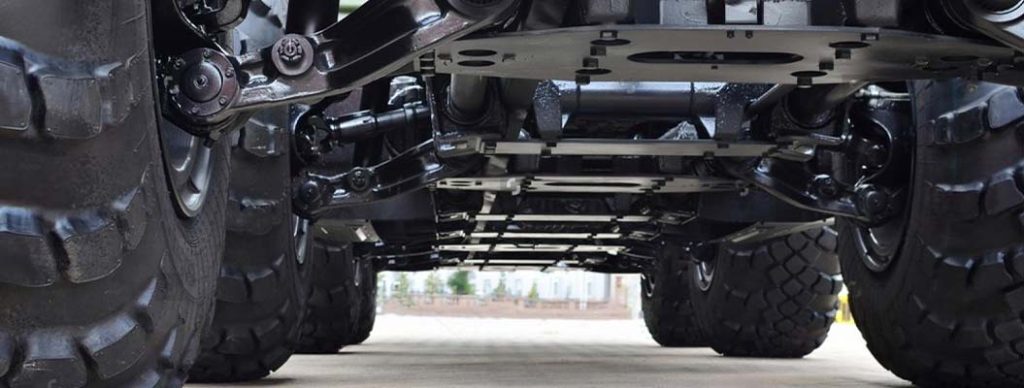
Every part of a car is important. The normal operation of the shocks and struts can ensure your driving experience. If there is a fault, the bumpy feeling will become obvious during the driving process of the car. There is also the possibility that the car’s body will shake.
Generally, there are four sets of shocks and struts on your car, and the probability of simultaneous failure is relatively small. If one side fails, it will easily cause your car to deviate and you will hear a “crunching” sound from the chassis.
In addition to the symptoms mentioned above, oil leakage from the shock is also one of the symptoms of shock and strut failure, which cannot be ignored.
When you notice these symptoms, you need to repair your car in time to avoid bad situations.
Is it worth replacing shocks and struts?
When your car’s shocks and struts have problems, you will face the problem of replacement. When to replace is a question you need to consider carefully. The following are four factors you have to consider:
1. Consider the condition of the vehicle: The age and mileage of the car determine the condition of your car. If your car has just been bought for a year and the shocks and struts are damaged by accident, it is necessary to replace them. If your car is more than 10 years old or the mileage exceeds 200,000 kilometres, you can consider the necessity of replacement. No matter how old your car is, you need to replace the shocks and struts to ensure your driving safety in the case of safety.
2. Consider the use needs: The first factor in driving a vehicle is safety, and shock and strut failures will also affect your driving safety. The second is driving comfort. Its ageing failure will cause the vehicle to bump and shake.
3. Consider the maintenance cost: Parts and labour costs account for the vast majority of the maintenance cost. Generally, the maintenance cost of ordinary models will be lower than that of luxury and imported ones. In addition to common maintenance costs, you also need to consider potential maintenance costs. For example, if you do not replace it in time, it may aggravate the wear of other parts, thereby increasing your maintenance costs.
What is the Difference Between Shocks and Struts?
If you are not a professional car enthusiast, you may be confused between shocks and struts. Let me tell you the difference in one sentence: your car without shocks will only affect the driving experience of the car, but without struts, your car will not be able to drive.
Shocks: The ultimate purpose of shock is to prevent the car from bumping. It is not an integral part of the suspension system. Without shock, your car will be like a roller coaster when driving on uneven roads.
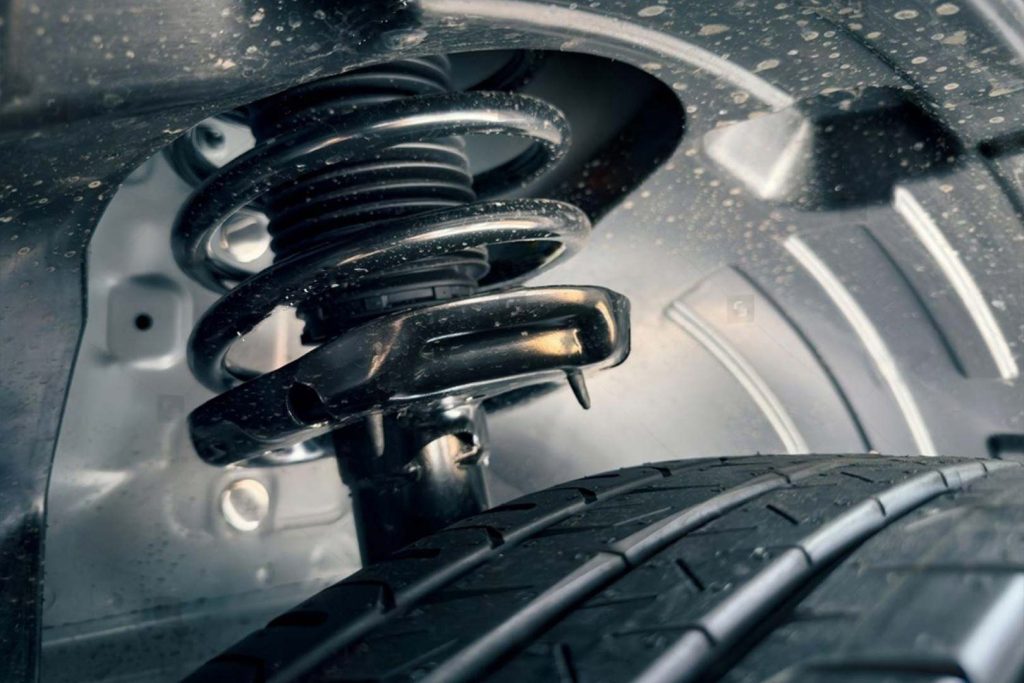
Struts: It is easy to confuse struts with shocks because their internal structures are similar. But struts are an indispensable part of the suspension system. Without them, the car cannot drive normally. The strut integrates coil springs, spring seats, top rubbers, plane bearings and other components. Shock absorption is one of the functions of the strut, and the most important thing is to support the body, transmit force and torque, and guide functions.
How to replace shocks and struts?
When your car’s shocks and struts affect your driving, you have to replace them. The following general process can help you understand the basic repair process:
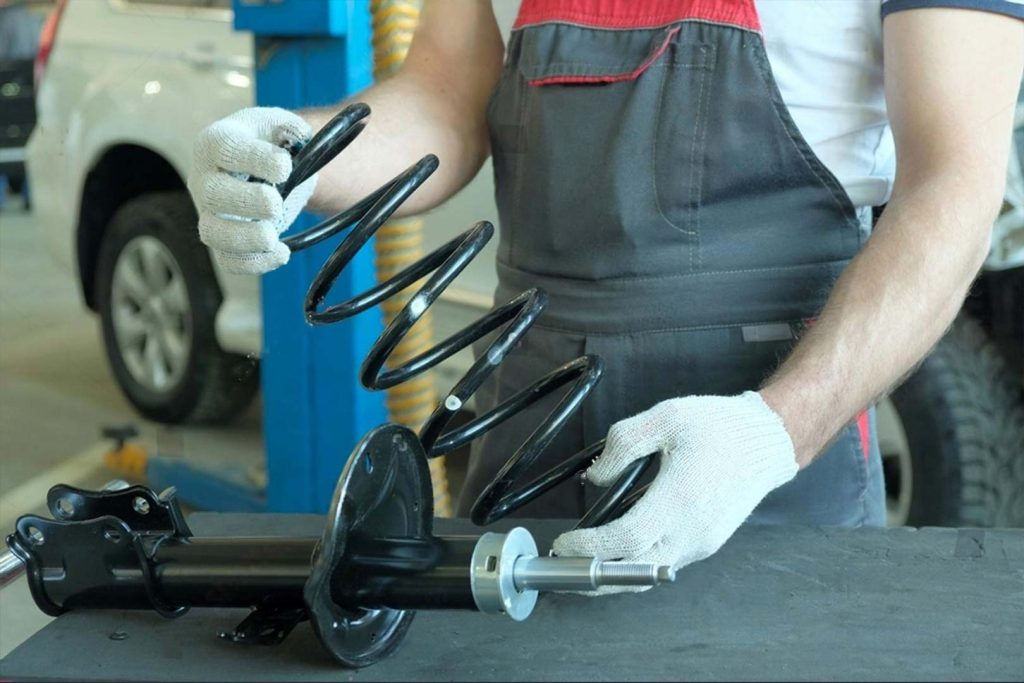
1. Preparation: Confirm the shock and strut models to be replaced. Generally, the car maintenance manual will have clear instructions. Secondly, prepare the necessary tools, such as jacks, various wrenches, etc. Safety precautions should also be taken before maintenance.
2. Disassemble the shock and strut: Use tools to remove the problematic shock and strut. The disassembly steps are: remove the tyre, the related parts link, and the shock and strut assembly.
3. Mid-term inspection: Carefully check the disassembled shocks and struts, and deal with the problematic parts one by one. If they cannot be repaired, purchase new parts to replace them.
4. Install new shocks and struts: Install them in the correct way, and reconnect the removed parts correctly. Finally, the tyres are installed, and the replacement of shocks and struts is completed.
5. Final inspection: Check whether all installations are firm and whether the shocks and struts are working properly. It is recommended that you test drive for a short distance and deal with any problems in time.
Summary
Shocks and struts work together to ensure the comfort, control ability and safety of car driving. By understanding all aspects of shocks and struts, you can make better judgments.