Driving with a failing steering rack can turn a minor steering issue into a safety problem: steering play can worsen, leaks can reduce assist, and uneven tire wear can accelerate. In some cases you may also damage tie rods, boots, or related components, raising the total repair cost. Below is what typically gets worse over time, how to confirm the rack is the root cause, and what to do next.
The harm of not replacing a bad steering rack
Reduced Control and Safety Risks
A faulty steering rack could compromise your effectiveness in controlling the vehicle when at higher speeds or in critical driving circumstances. Reduced control can be expressed in terms of delayed responses in steering, which can be dangerous during sudden turns or while avoiding obstacles. The safety risk is avoided when replacing a faulty rack to ensure your vehicle is responsive on the road.
Additional Damage
Ignoring a faulty steering rack would accelerate wear on other associated parts, such as rods and bushings, which rely on being properly guided and stabilized by the steering rack.
In such a case, if they start to wear out because of a bad rack, you might find that replacing more and more of them becomes increasingly necessary, perhaps at higher costs, when a simple replacement of that one part could have easily prevented such expenses in the long run.
Risk of Accidents
In extreme cases where complete failure of the steering rack is involved, one can lose control totally, which might increase the likelihood of an accident. It is serious because it puts you and other users in danger. Prompt handling of the steering rack issues will help maintain the safety of the car and reduce the possibility of the occurrence of steering system failures.
Is Replacing a Steering Rack Easy?
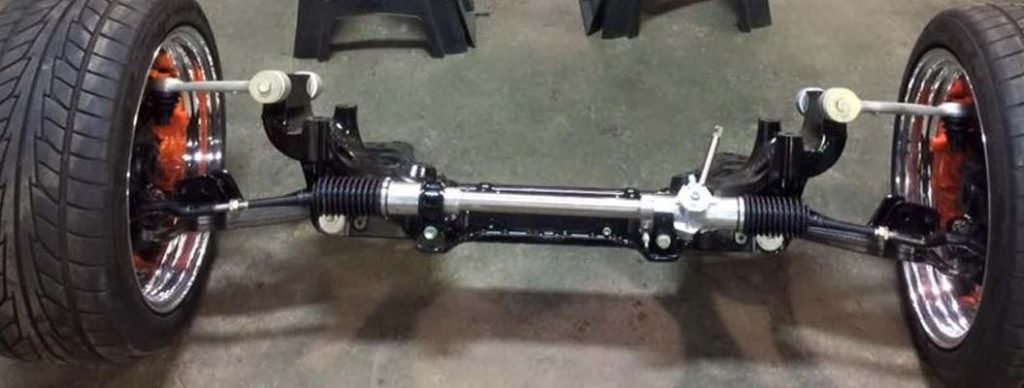
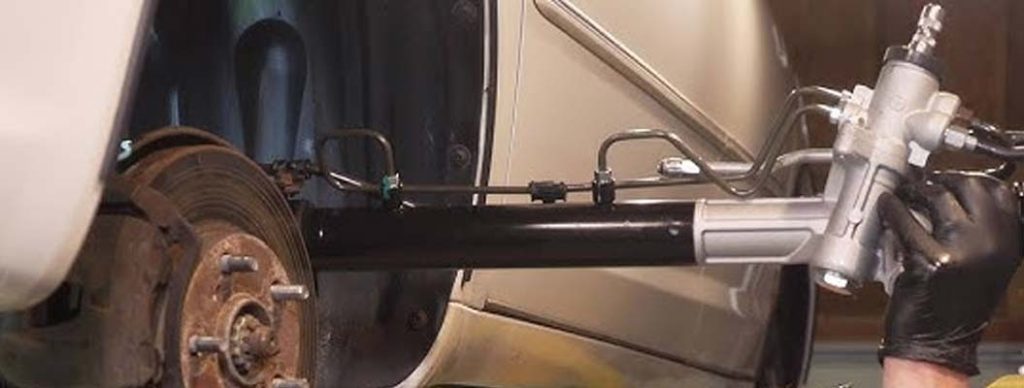
Replacing a steering rack is a complex task requiring specialized skills and equipment. The process involves multiple precise steps, such as lifting the vehicle, disassembling necessary parts, and ensuring the wheels are perfectly aligned after installation.
Due to the high level of expertise and special tools required, this task is typically best handled by professional mechanics. Additionally, using high-quality steering rack components is crucial for maintaining long-term reliability and optimal vehicle performance, making it essential to source parts from reputable suppliers.
How Often Do You Need to Replace the Steering Rack?
The lifetime of a steering rack varies, but it is great to understand factors that influence this, which will enable you to strategize on maintenance and eventual replacement.
Typical Lifespan
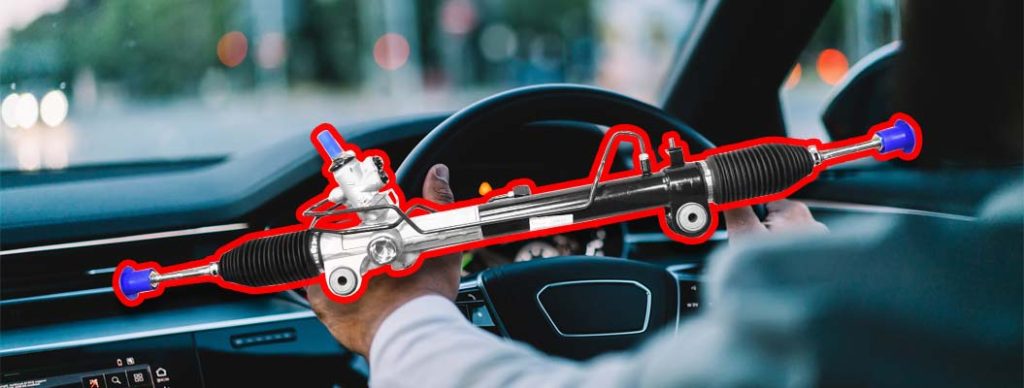
Most of the good steering racks can survive between 100,000 and 150,000 miles. However, frequent impacts with potholes, lack of maintenance, or many other reasons may deplete this life expectancy. Regular inspections would be helpful in the early detection of signs of wear so that the repairs can be scheduled when they are needed.
Looking for costs? See our Steering rack replacement cost guide.
Maintenance Influence
As a matter of fact, your steering rack will last longer with simple routine maintenance such as complete levels of power steering fluid and avoiding rough terrain. This system may develop internal wear and tear without regular maintenance, leading to possible leaks around the seals.
Continuous care helps avoid stress in the system and lowers the possibility of seal leaks and internal damage. You can extend your steering rack’s lifespan and shun frequent replacements by just showing some careful driving and routine checks.