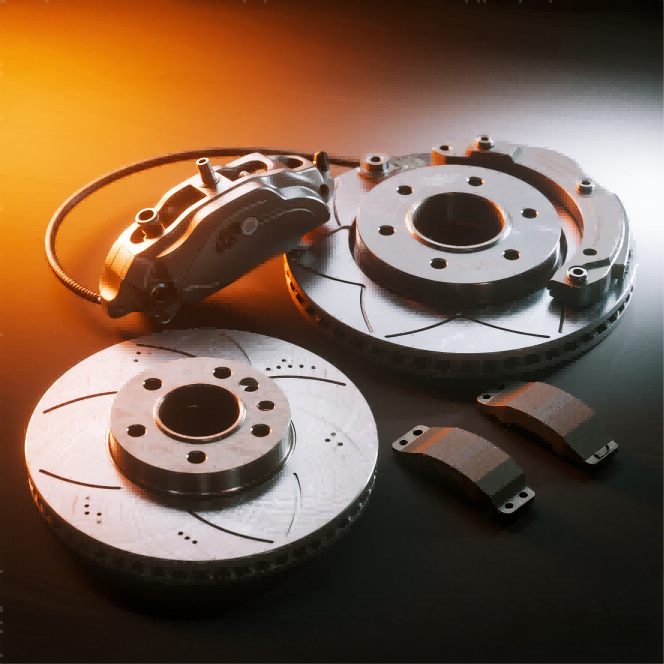
When you’re driving, sensitive brakes are your safety net for slowing down. Ignoring them can easily lead to safety issues. But you might be wondering: How much does it cost to replace your brakes? Besides brake pads, brake discs, and brake calipers, what other components make up your brakes? Should you replace them individually or as a whole? This three-minute article will help you quickly understand the factors that influence brake replacement costs, estimate the cost of replacing brake pads, share cost-saving tips, and answer common questions.
Factors Influencing Brake Replacement Costs
The cost of replacing brakes can vary significantly, from just replacing worn brake pads to thousands of dollars for a complete brake replacement. Here are some possible factors that may contribute to the difference:
1. Type of Vehicle
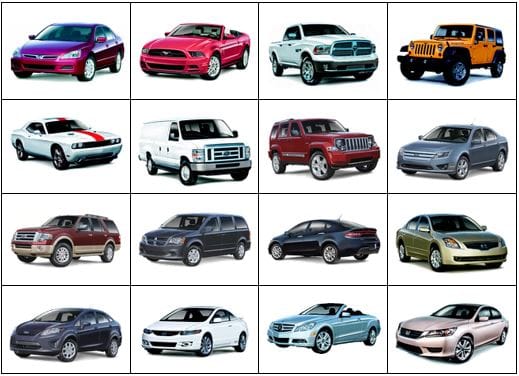
The make and model of your car play a big role. Luxury or performance vehicles, like BMW or Mercedes, often have more complex brake systems with larger rotors and high-performance pads. These parts are pricier, and labor costs can be higher too, as mechanics may need specialized tools or training. On the flip side, standard sedans or economy cars usually have simpler brake setups, leading to lower replacement costs.
2. Parts Quality
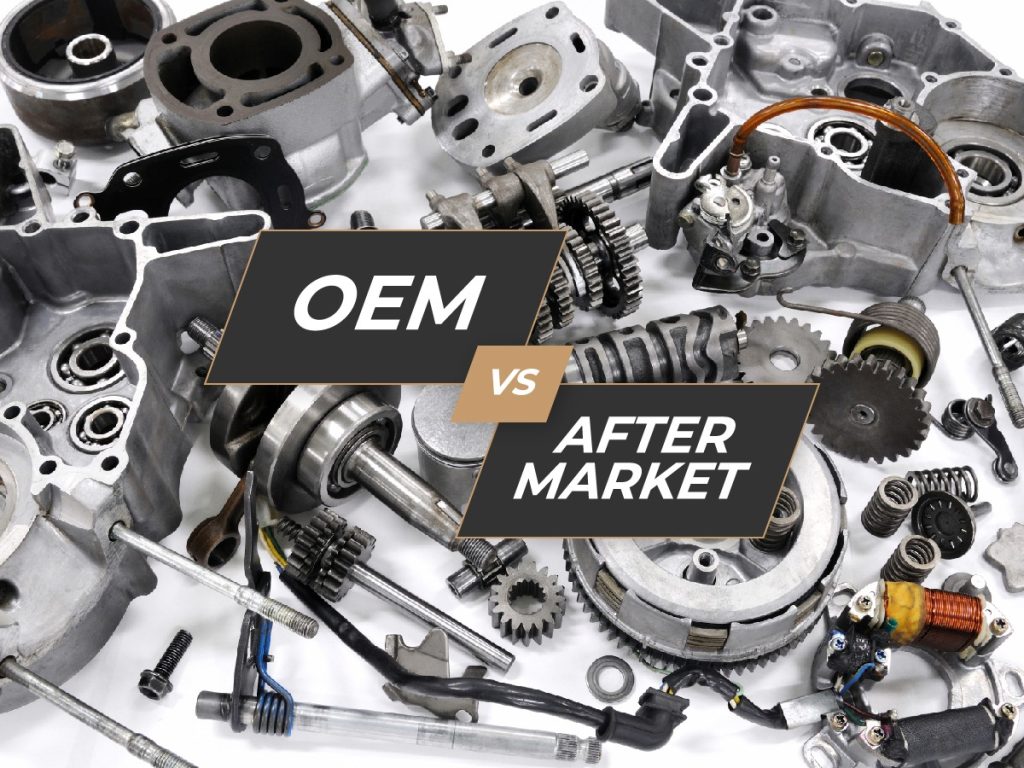
You’ll typically have three options for brake parts: OEM (Original Equipment Manufacturer), aftermarket, and premium aftermarket. OEM parts are made by the same company that built your car, ensuring a perfect fit but comes with a higher price tag. Aftermarket parts are produced by third-party companies and are generally cheaper, though quality can vary. Premium aftermarket parts, like those from brands such as Brembo, offer better performance than standard aftermarket but cost more than basic options.
3. What Needs Replacing
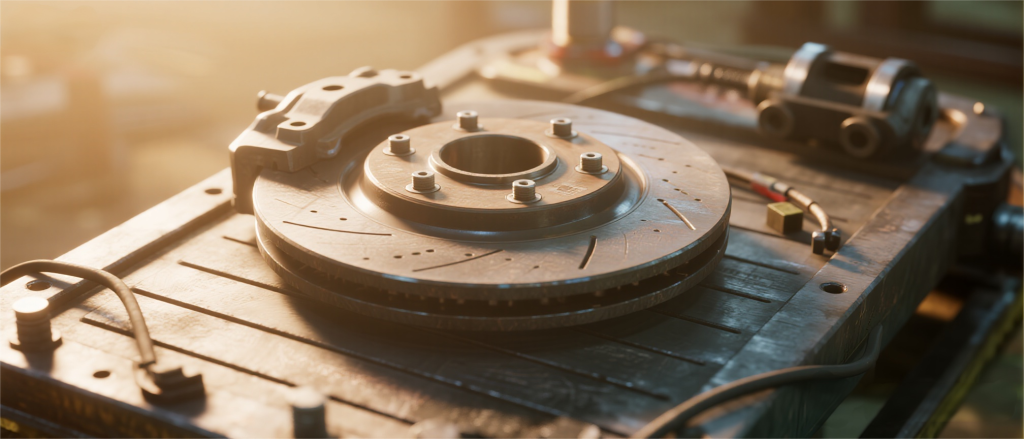
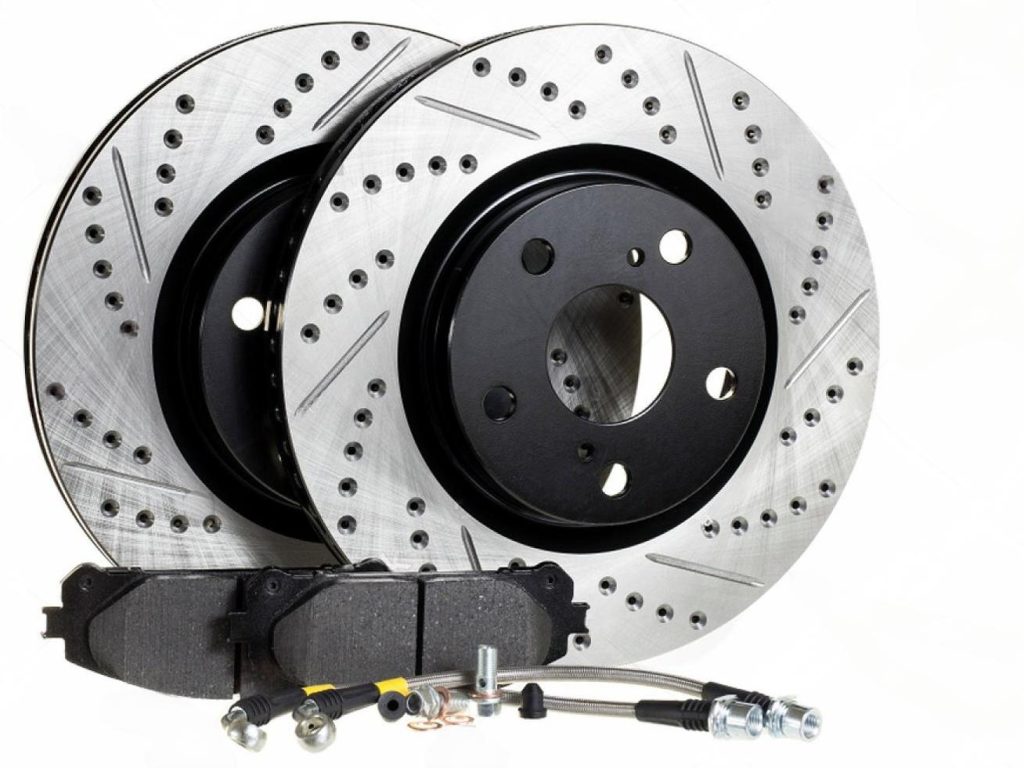
Brake systems include pads, rotors, calipers, and hardware. If only the pads are worn, you’ll pay less than if the rotors are warped or damaged and need replacing too. In some cases, calipers (which squeeze the pads against the rotors) may fail, adding significantly to the cost.
4. Labor Costs
Labor rates vary by location and shop type. Dealerships often charge more per hour than independent mechanics or chain auto repair stores. Urban areas with higher living costs also tend to have higher labor fees. The complexity of the job matters too—some vehicles require more time to access the brakes, increasing labor costs.
5. Additional Services
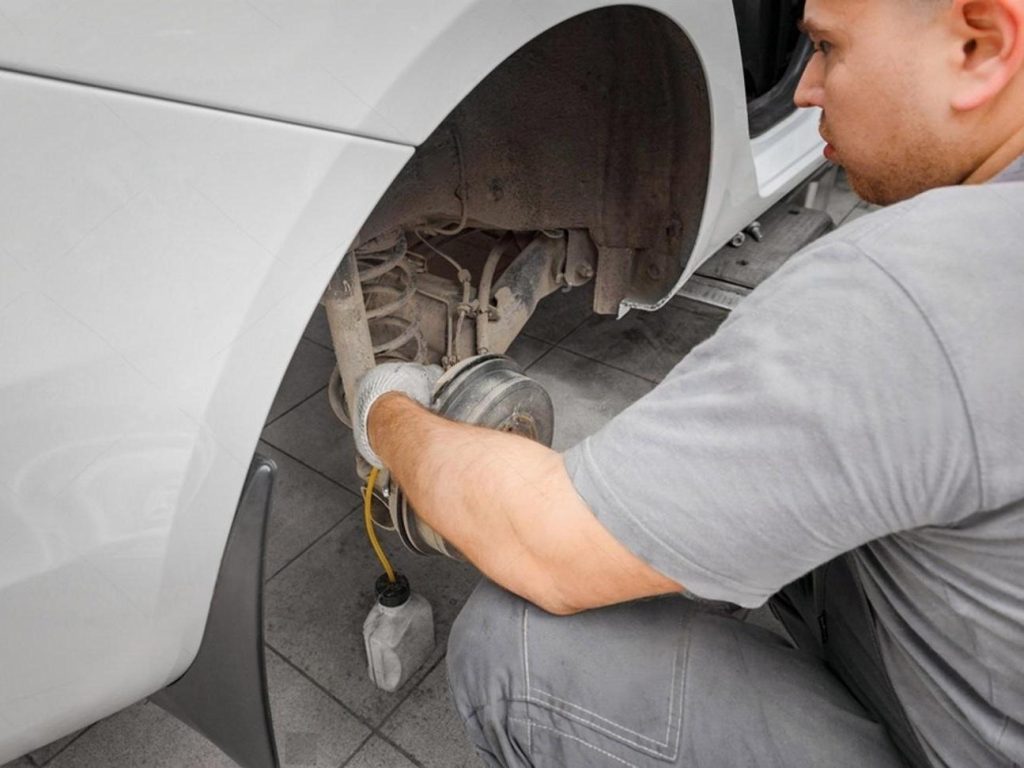
Some mechanics may recommend related services, like brake fluid replacement, when replacing brakes. While this isn’t always necessary, it can add to the total cost. It’s important to ask whether these services are essential or optional.

How Much Does It Cost to Replace Brake Pads?
Every car owner is concerned about the cost of replacing brake pads, as they are a part that wears out easily. Here’s a guide:
For a $25,000 car, basic aftermarket brake pads cost between $30 and $70, and labor costs vary depending on local rates. The total cost is between $150 and $300.
If you’re replacing high-end aftermarket or factory brake pads, the cost will be even higher.
Keep in mind that many mechanics recommend replacing pads on both axles at the same time, even if only one side is worn, to ensure balanced braking. If rotors need to be replaced along with pads, add 200 to 400 to the total cost (for parts and labor per axle), depending on the vehicle and rotor quality.
Tips for Saving on Brake Replacement Costs
Brake replacement is a necessary expense, but there are ways to keep costs in check without sacrificing safety:
- Compare Prices
Get quotes from multiple shops, including dealerships, independent mechanics, and chain stores. Ask for a detailed breakdown of parts and labor to ensure you’re comparing apples to apples.
- Consider Aftermarket Parts
High-quality aftermarket parts can perform as well as OEM parts at a lower cost. Look for reputable brands with good reviews to avoid low-quality options that wear out quickly.
- Do It Yourself (If You’re Skilled)
If you have experience working on cars and the right tools, replacing brake pads (and even rotors) can save you labor costs. However, only attempt this if you’re confident in your abilities—brakes are too important to DIY improperly.
- Address Issues Early
Ignoring brake problems can lead to more damage. Worn pads can scratch or warp rotors, turning a simple pad replacement into a more expensive rotor replacement. Get your brakes inspected at the first sign of trouble.
- Look for Promotions
Many auto shops offer discounts or coupons, especially around holidays or during slow seasons. Check their websites, social media, or local flyers for deals on brake services.
- Ask About Refinishing Rotors
If your rotors are slightly worn but not severely damaged, some shops can resurface (or “turn”) them instead of replacing them. This is often cheaper than buying new rotors.