What is the Difference Between OEM and Aftermarket Parts?
In the automotive industry, we all know that there are two types of parts. One is the original parts, and the other is aftermarket parts. At JCMSTECH, we can help you choose the right replacement parts to ensure the life, performance and customer satisfaction of your vehicle.
JCMSTECM explores the features, advantages and possible disadvantages of original parts and aftermarket parts, aiming to help you make an informed purchasing decision that best meets your business goals and customer needs.
What is OEM (Original Equipment Manufacturer) Parts?
OEM parts are those manufactured by the company that originally equipped the gear or vehicle. As such, OEM parts are to meet or exceed the specifications and performance of the parts when the product is manufactured.
- Manufactured by the original brand: OEM parts are manufactured by the company that made the original equipment. That means they’ll fit and operate exactly like the original parts did.
- Guaranteed compatibility: Since OEM parts are designed to meet the exact specifications of the original equipment, they are guaranteed to be compatible.
- Assurance of quality and performance: OEM parts ensure the same quality and performance as those that came with the equipment since the original manufacturer makes them.
When quality assurance plays a great role, OEM parts are used in factory repairs, warranty services, and other situations. In particular, many people choose OEM parts whenever they need the same original quality and performance to remain the same. For instance, when repairing a car under warranty.
What is Aftermarket part?
Aftermarket parts are made by other companies that are different from the original equipment manufacturer. These offer alternative options to replacement components, which differ in quality, price, and performance. Unlike OEM parts produced by the original brand, aftermarket or after-market parts are manufactured by third-party companies that design their own versions.
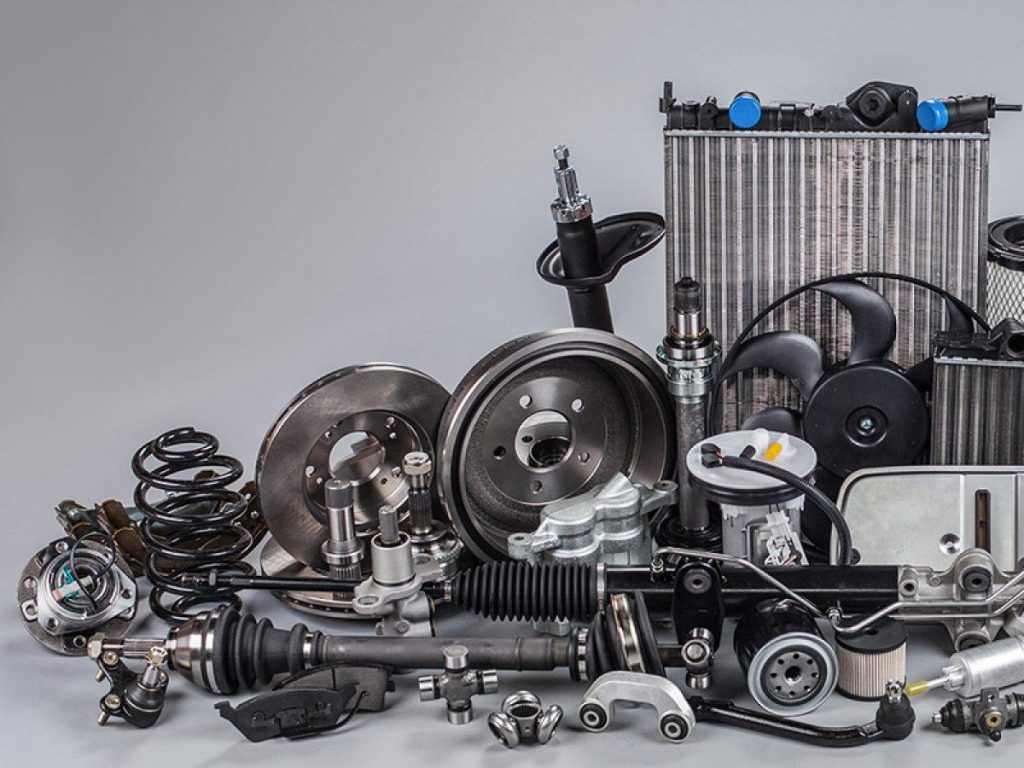
- Diverse Options Available: The making of after-market parts is done by so many brands, making their availability manifold. Customers have a lot of choices as to what brand, style, and type of part they want.
- Cost-Effective: The cost of aftermarket parts is usually less expensive than that of OEMs. That fact makes them very popular among buyers because their goal usually is saving from repair and upgrade costs.
- Variety in Quality and Performance: Different qualities are exhibited by the aftermarket parts. It ranges from high-quality to low-end parts. It is beneficial because customers can pick parts about their budget and related performance.
- Cost-Effective Repairs: Aftermarket parts are good to go with repairs that have to meet specific economic budgets. They are cheaper compared to other parts.
- Customization and Personalization: Most customers go for aftermarket parts because of the custom features they want to add to their vehicles or equipment. Aftermarket parts often offer a wider choice of color, style, and performance upgrade options than may be available with OEM parts.
Difference Between OEM and Aftermarket Parts
| Aspect | Aftermarket Parts | OEM Parts |
| Manufacturer | Third-party companies | Vehicle’s original manufacture |
| Cost | Cheaper 3-5 times | More expensive |
| Quality & Reliability | Quality varies | Meet the original factory requirements |
| Availability&Range | Widely available | Restricted |
| Warranty & Support | May or may not include a warranty | Often included |
| Fit | Universal for various models | Perfect for specific models |
Success with JCMSTECH Aftermarket Parts
JCMSTECH has worked with various clients, ranging from simple repairs using its aftermarket parts to complicated upgrading needs. For example, one big auto repair business client opted to use JCMSTECH aftermarket parts to enable the company to lower costs without sacrificing quality.
With the help of alternative aftermarket parts, this customer was able to save a lot by switching to reliable options, which enabled them to maintain competitive prices for services without compromising high standards of repair.
This representative case study of JCMSTECH exhibits some of the key advantages associated with the use of aftermarket parts. The most obvious of these is cost savings.
Conclusion
In general, both OEM and aftermarket parts have unique benefits. The first one ensures perfect quality and compatibility since it is directly available from the original manufacturer. The options are greater for aftermarket parts in multiple senses: they can save a lot of money and offer more flexibility, especially for those interested in custom or inexpensive solutions.
FAQ
Q: Are aftermarket parts reliable?
A: Yes, aftermarket parts can be very reliable if they come from trusted suppliers. Many reputable suppliers offer warranties and meet industry standards, so choosing a reliable brand is key.
Q: Can aftermarket parts void my warranty?
A: This depends on the original warranty terms. Some warranties may not cover repairs with aftermarket parts, so it’s always best to check your warranty details before using them.