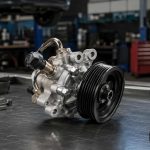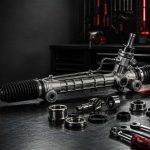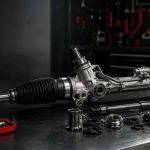
The most common causes of steering rack damage include fluid contamination, seal wear, improper installation, and impact from road shocks. Most failures start with neglected power steering fluid or leaks that allow debris or moisture to enter. Routine inspections and fluid replacement are key to preventing costly rack failure.
Reviewed by: Steven (Founder & Head of Product & Market Strategy, JCM Auto Parts Co., Ltd., 15+ yrs)
Written by: JCMSTECH Research Team
Methods: teardown & inspection → cross-check supplier docs → fact-checking → scheduled updates
Last updated: 2025-12-19 · see revision log
Top Causes of Steering Rack Damage
| Cause | Technical Explanation | Resulting Symptom |
|---|---|---|
| Contaminated fluid | Dirt or moisture corrodes internal seals and valve spool | Stiff steering, noise |
| Low or aerated fluid | Air bubbles cause cavitation and seal damage | Jerky assist, whining noise |
| Impact or collision | Shock load bends rack shaft or housing | Steering pull, leakage |
| Over-tightened tie rods | Excessive preload damages rack bushings | Hard return, premature wear |
| Improper installation | Misalignment causes gear tooth wear | Play on center, uneven tire wear |
How Steering Rack Damage Happens
The steering rack converts steering-wheel rotation into linear motion. Over time, poor fluid maintenance, heat, and vibration accelerate internal wear.
In hydraulic systems, contaminated fluid corrodes seals and valve surfaces. As internal clearance increases, fluid pressure leaks between chambers, causing assist loss and noise. In electric racks (EPS), vibration or water intrusion can damage torque sensors or motor bearings.
Repeated impacts from potholes or curbs can bend the rack shaft, leading to internal binding and uneven steering response.
Early Warning Signs
- Steering feels heavy or jerky during turns.
- Fluid leaks around bellows or subframe area.
- Grinding noise when steering.
- Uneven tire wear or steering pull.
See our bad steering rack symptoms guide for full diagnosis.
How to Prevent Steering Rack Damage
| Preventive Action | Benefit |
|---|---|
| Flush & replace power steering fluid every 50,000–80,000 km | Removes contaminants and moisture |
| Use OEM or high-quality fluid only | Prevents seal swelling or corrosion |
| Avoid hitting curbs or potholes | Reduces rack shaft bending stress |
| Inspect boots & bellows every oil change | Prevents dirt ingress |
| Check alignment after suspension work | Prevents gear tooth offset wear |
Frequently Asked Questions
Can a steering rack be repaired instead of replaced?
Minor leaks or bushing wear can sometimes be rebuilt, but internal gear or shaft damage usually requires full replacement.
Does driving with low fluid damage the rack?
Yes. Air in the system causes cavitation and heat, quickly wearing seals and bearings.
What’s the best way to make a steering rack last longer?
Keep fluid clean, avoid impacts, and ensure proper alignment after suspension or tire service.