As far as repairs or upgrades go for a vehicle, choices usually boil down to either OEM parts or aftermarket parts. Aftermarket parts are those components manufactured by third-party makers other than the original vehicle manufacturer. Such parts replace or upgrade different car parts and come in various options.
The role of the aftermarket segment within the motor world is huge. It makes more affordable options available, as well as custom ones, for vehicle owners who want flexibility. Whether to replace a damaged part or enhance performance, aftermarket parts grant people options that may not be available from OEM.
The world of aftermarket products to use, how to identify them, the advantages and disadvantages, and especially tips on finding the good ones help the vehicle owner to make the best choice.
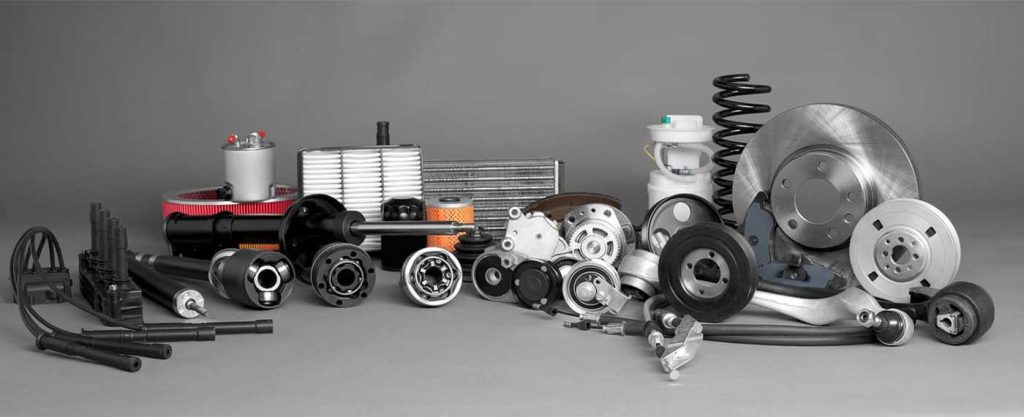
What Are Aftermarket Parts?
Definition of Aftermarket Parts
Aftermarket parts are car parts made by other companies, not the OEM of the vehicle. Instead of coming from car brands such as Ford, Toyota, or Honda, these are provided by third-party manufacturers. They’re made to fit and function and often improve on original parts, but at least they give car owners more choices and a better price.
Overview of the Aftermarket Industry and Its Significance
The aftermarket is huge in the motor world because it gives car owners a wider opportunity to have repairs, replacements, and even upgrades done at as low a price as possible. Other than OEM parts, which are very expensive, aftermarket parts are usually moderately priced and available in multiple styles and types.
This industry is relied upon with great importance to keep normal car owners and repair shops running, from essential replacements to performance enhancement. From quality replacement parts that are durable, long-lasting, and of the highest quality to cost-effective options, the entire aftermarket industry has grown in importance for people seeking flexibility without compromising quality.
Is It OK to Use Aftermarket Parts?
General Acceptance and Legality
These modifications typically involve replacing parts with aftermarket pieces, usually accepted and considered legal. For many car owners and mechanics, a dime a dozen so-called “aftermarket parts” are in use. Most of these are made to meet or even outclass the standards set forth by the original manufacturers.
This means that these can serve just as well, or sometimes even better, than the OEM itself. Many reputable manufacturers carefully designed these parts to work well with particular vehicles and owners, providing a safe and inexpensive alternative.
Common Situations for Using Aftermarket Parts
There are several reasons why people use aftermarket parts:
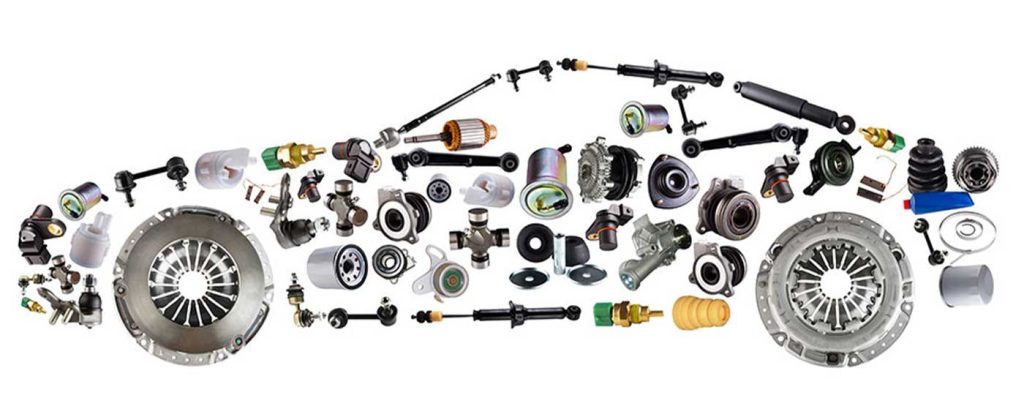
- Cost-effective replacements: The most common cause for reaching out for the help of aftermarket parts is replacing worn-out or damaged parts that include brakes, headlights, or mirrors, which are enabled through generally cheaper options than what OEM would offer.
- Performance upgrades: Some accessories are meant to give more performance access to your vehicle, like exhaust systems, suspensions, or air intakes. They promise improved speed and handling, thereby increasing the efficiency of automobiles.
- Quick response to market changes: Market demands change quickly, and aftermarket parts produced by third-party factories are often able to adjust production schedules more quickly.
Whether for cost savings, performance, or market demands, aftermarket parts allow owners to make changes, meet needs, and satisfy desires. Since they are much more available, they make it easy to give character to a car if needed, suiting both budget and personality.
How to Tell if a Part Is an Aftermarket
Tips for Identifying Aftermarket Parts
An aftermarket piece is easy to identify, provided one knows what to look for. Among the easiest ways, one can check brand names that don’t match the OEM. If you own a Honda, you can count on all those parts labelled by some other brand, like Bosch or Denso, being Aftermarket. Other times, an aftermarket part will have some minute variation in shape, design, or markings different from the OEM part.
Visual and Performance Indicators
OEM parts are cosmetically uniform, similar in quality, and perfectly fitted to the car, as this is manufactured specially for it. Aftermarket parts may have slight variations in finish, color, or shape that can make them quite visible when a set of aftermarket and OEM parts is fitted on one vehicle. These parts still work, but the fit is only sometimes exact, and some cosmetic details might look slightly different.
By knowing such indicators, the owners can easily identify such parts and decide whether they want OEM or aftermarket components.
What Are the Disadvantages of Aftermarket Parts?
For a deeper look at the pros and cons of using aftermarket parts for car repairs, check out our detailed article: Using Aftermarket Parts for Car Repairs: The Pros and Cons. This guide covers the benefits, potential drawbacks, and key factors to consider aftermarket components.
Potential Quality and Performance Issues
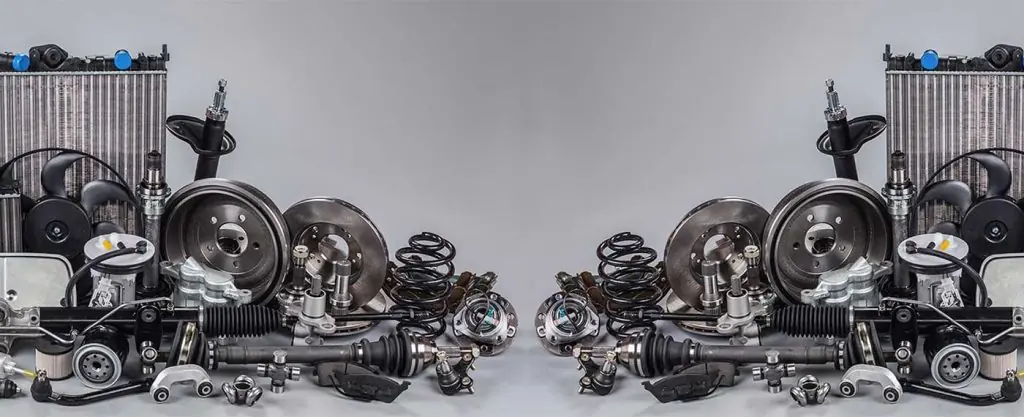
While most aftermarket parts are of good quality, not all are completely comparable to the OEM parts. Aftermarket parts can have cost-cutting measures on materials and design, or they may receive only some of the stringent testing that could given to an OEM part.
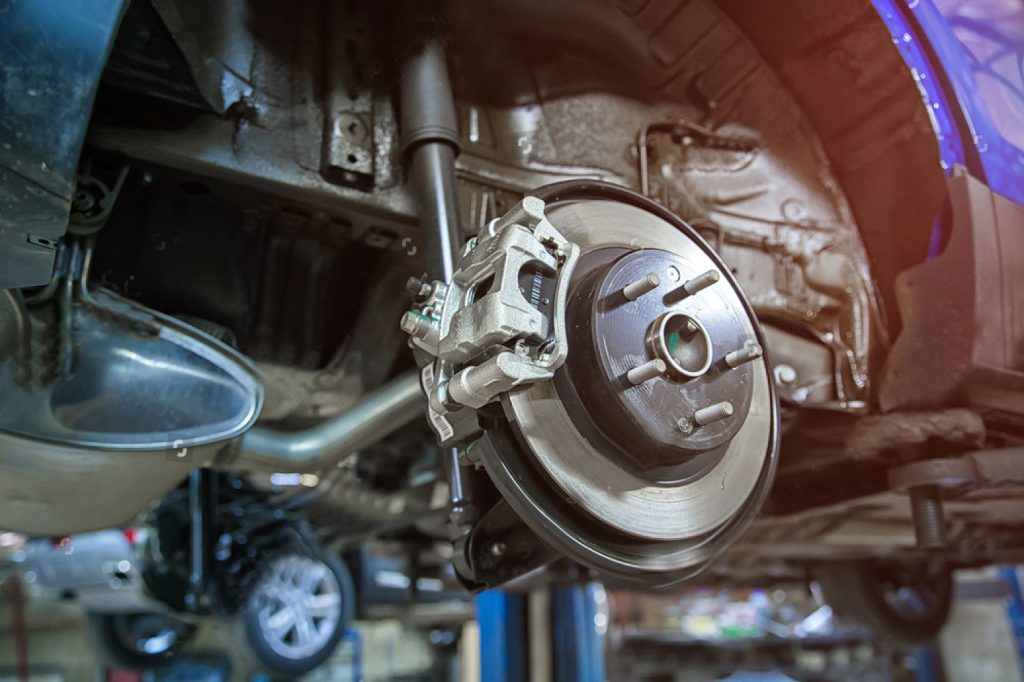
For example, a low-range aftermarket brake pad is likely to be worn out much faster than the one from OEM, and that would mean it might even get to the point where it needs replacement more quickly.
Warranty and Insurance Implications
Aftermarket parts can sometimes affect a vehicle’s warranty. Certain warranties may become invalid when the aftermarket part relates directly to a vehicle’s main systems, like the engine or transmission.
It is even more true when the part can impact the overall car safety. Insurance companies can also be wary in covering repairs to modifications made with aftermarket parts if they feel these could have ramifications on the value or functionality of the vehicle.
Compatibility and Fitment Concerns
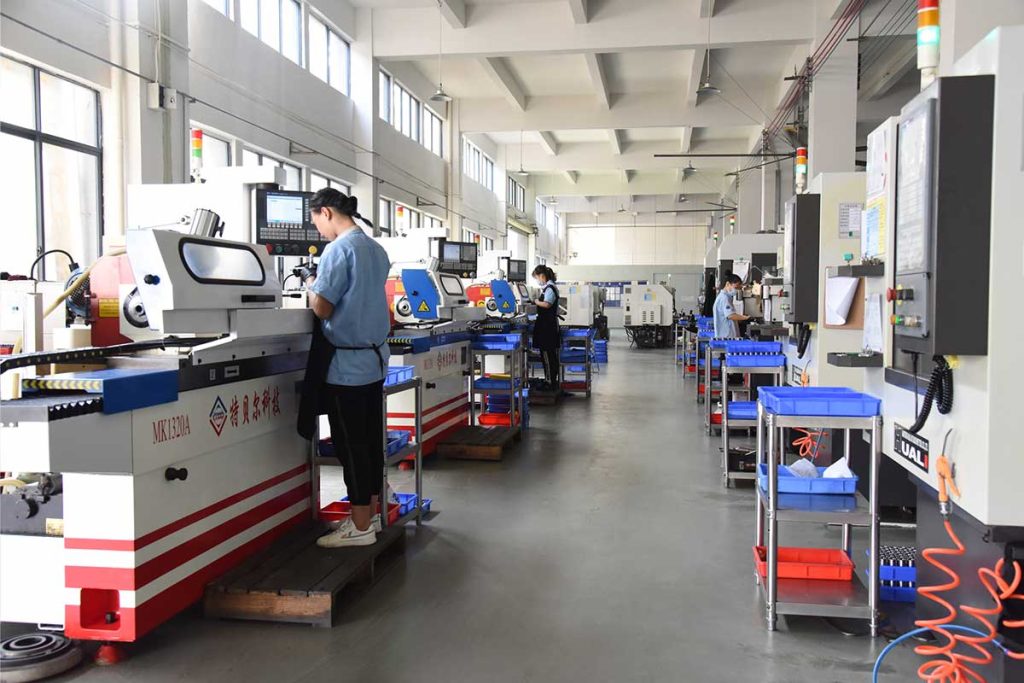
Another major disadvantage of using alternative parts is that they may only be compatible sometimes. Since most replacement parts are made to fit into several models of vehicles, they may need to fit exactly as the manufacturing piece. It may lead to problems during installation or even with the vehicle’s performance if the part works differently than expected.
Impact on Vehicle Resale Value
Cars manufactured with used parts will usually have low resale values, especially when those parts do not meet the buyer’s expectations or the requirements set by dealers in particular.
Other buyers and dealers would prefer vehicles with installed factory or OEM parts because they appear so much more reliable and precisely fitted to the vehicle. Sometimes, using salvage or rebuilt parts can make it hard to get a very high price for resale for a given vehicle.
Despite these downsides, a lot of people find it all worth it because if they get high-quality brands that are reliable and durable, an aftermarket part will often be a good option.
Can I Use Aftermarket Parts on My Car?
Guidelines for Suitability
Aftermarket parts can save a lot for older cars or those out of warranty. OEM parts are more expensive; thus, aftermarket ones are a broad option for restoring or customizing your car, and many options are available. However, select the right part that fits your car’s specifications to avoid issues.
Legal and Warranty Considerations
While all aftermarket parts are legal, some, particularly emissions-related and safety systems, meet specific regulations. Aftermarket parts may impact your car’s warranty insofar as they impact necessary functions, so you may want to check your warranty details first.
Consulting with Automotive Professionals
It is always good to consult a mechanic or car specialist before installing an aftermarket part. They will be able to confirm whether the part will fit well and function correctly and not cause any problems with other systems in your car.
Who Makes the Best Aftermarket Parts?
Leading Aftermarket Parts Manufacturers
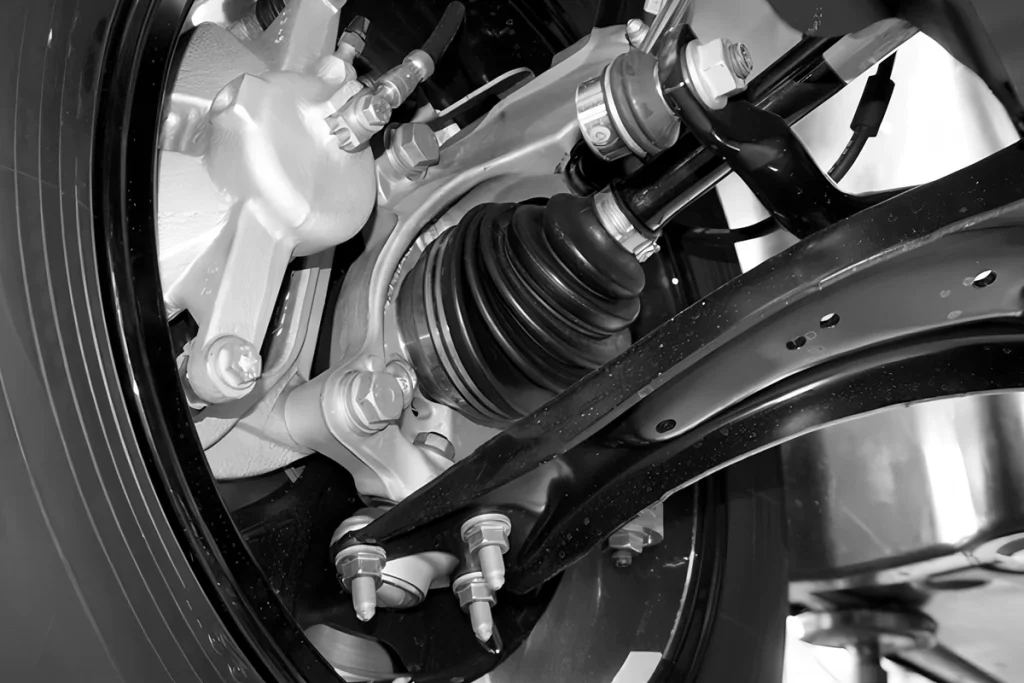
Some brands are regarded highly by the industry for their solid line of replacement parts. Bosch, for example, is recognized as a good brand for electrical components, whereas Denso’s fuel systems and engine parts are rather decent. Another well-recognized brand is JCMSTECH, which provides several lines of parts ranging from basic replacement to performance, meeting demand for various owners.
Recommendations for Reputable Suppliers
In this regard, making purchases from trusted suppliers will go a long way in helping the search for aftermarket parts. Companies like RockAuto, AutoZone, and JCMSTECH also offer wide selections and have made certain inroads into earning good reputations.
These suppliers are popular with DIYers and professional mechanics because they offer dependable products with many options. These are indeed manufacturers and suppliers of parts, so vehicle owners are very well assured of excellent performance and reliable longevity of the car aftermarket components.
How Long Do Aftermarket Parts Last?
Factors Influencing Aftermarket Lifespan
The lifespan of an aftermarket part depends on several aspects: the quality of the materials employed, the type of part, or how it was used, among others. An exact replica of the factory brake pad lasted a bit less, as it is made with inferior materials or because the vehicle did drive under poor conditions.
Comparison with OEM Parts
Overall, OEM parts are made for a vehicle and usually will last longer because of the quality of materials and testing. Aftermarket parts vary; some are high in quality, and those would still last very long.
Maintenance Tips
It will help prolong the life of the aftermarket parts, and some maintenance guidelines must be followed as provided by the manufacturer. Regularly inspect the wear and tear of parts to avoid problems and get full value from an aftermarket investment.
How Reliable Are Aftermarket Parts?
For more details on the Reliability of Aftermarket Parts Compared to OEM, check out our in-depth article, Using Aftermarket Parts for Car Repairs: The Pros and Cons, which explores the benefits and drawbacks of aftermarket options in car maintenance.
Reliability of Aftermarket Parts Compared to OEM
High-quality aftermarket parts can be much more reliable and often do very well against OEM parts. However, some of these aftermarket parts might be unreliable if they are of lower-grade material or don’t do as much testing. That is why it is important to choose brands that are reputable in their quality.
Factors Affecting Reliability
The reliability of an aftermarket part could be determined by several factors, including brand, type of part, and intended use. Those Performance-enhancing parts like custom exhaust systems or suspensions may enhance a car’s performance but may have a different reliability profile compared to standard OEM parts.
With the selection of appropriate after-sales parts from trusted brands, vehicle owners can often find affordable and reliable parts that will provide a strong alternative to OEM with no compromise in quality.
Conclusion
Aftermarket parts are more practical and cost-effective for vehicle owners to replace or upgrade parts. They have flexibility, including even the most basic replacements up to performance and aesthetic enhancement. However, several downsides exist, such as compatibility issues, resale values, and other warranty concerns.
High-quality aftermarket parts by well-reputable brands make these parts a good option, especially for those who want to balance cost against performance. Ultimately, the use of alternatives is determined by first understanding your car and then considering each option and its cons.
FAQ
Are aftermarket parts as good as OEM?
High-quality aftermarket parts can perform just as well as OEM parts, but this depends on the brand and type of part. Reputable brands often meet or exceed OEM standards.
Will aftermarket parts void my warranty?
Some aftermarket parts may void a vehicle’s warranty, especially if they impact key functions or safety systems. It’s best to check warranty terms before installation.
Are aftermarket parts more affordable?
Yes, aftermarket parts are generally more affordable than OEM, offering budget-friendly options.
How can I find reliable aftermarket parts?
Choose parts from trusted brands and consult a mechanic if you need help with quality or fit.