If you own a car, then you should know what are the signs of damage to the tie rod. Abnormal tyre wear, front-end imbalance, rattles, and poor handling are some of the common signs of failure. Read on to learn more about tie rod failure symptoms.
Symptoms related to the steering system
Steering wheel rotation is abnormal:
1. Difficulty in turning: In normal vehicle driving, turning the steering wheel is an easy task. But when you feel that you need to use more force to turn the steering wheel, it is possible that there is a problem with your tie rod. Because the tie rod is damaged, worn, stuck, etc., it will cause poor steering.
2. Steering wheel shaking: Failure of steering system parts will easily cause the steering wheel to shake. Tie rod failure is also one of the reasons, such as loose and damaged tie rods. It will be more obvious especially when driving at high speeds. It will also feel as if someone is trying to pull the steering wheel away from you.
3. Affecting steering flexibility: The agility of the car is also affected by the condition of the tie rods. Once worn, loose or deformed. A mild effect is a reduction in agility, while a severe effect can result in localized dead spots or the inability to steer.
Vehicle deviation:
A small tie rod can also affect the driving trajectory of the wheel. When you are driving, you must hold the steering wheel firmly to make the car go straight, otherwise, the wheel will tilt to one side of the road. This phenomenon may be caused by a problem with the steering tie rod, such as unreasonable adjustment of the tie rod length, severe wear, etc. It may also be that the caster angle or camber angle of the front wheels on both sides are not equal.
Wheel-related symptoms
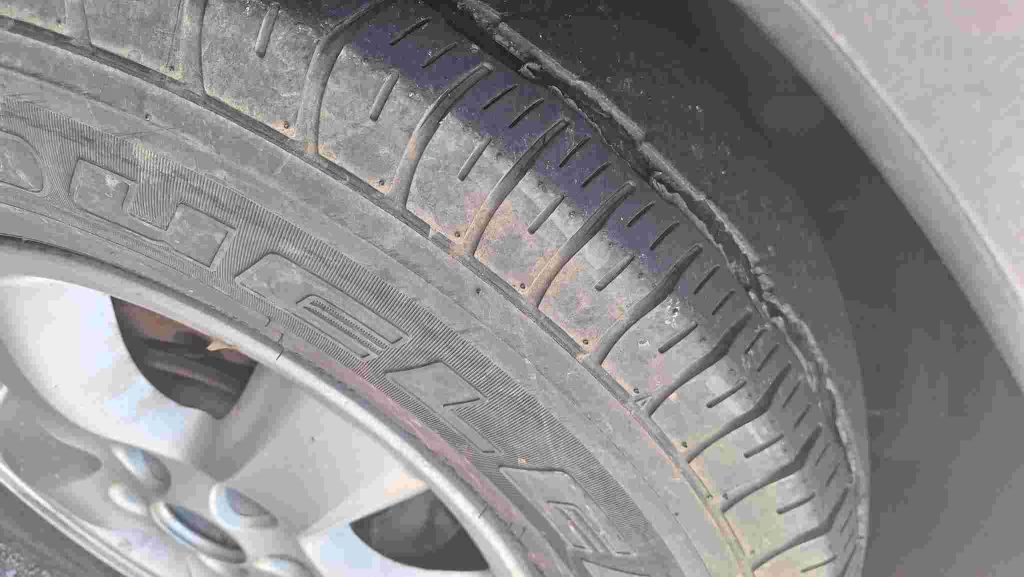
- Unstable tyres: tie rods that are faulty make wheel control unstable. It feels like your tyres are swinging like they are dancing.
- Uneven tyre wear: Steering tie rod failure is one of the reasons for uneven tyre wear. Loose or worn tie rods will cause changes in the steering angle and force of the wheel, which will cause uneven tyre friction in the long run. This will affect not only the life of the tie rod but also the life of the tyre.
Symptoms of the tie rod components
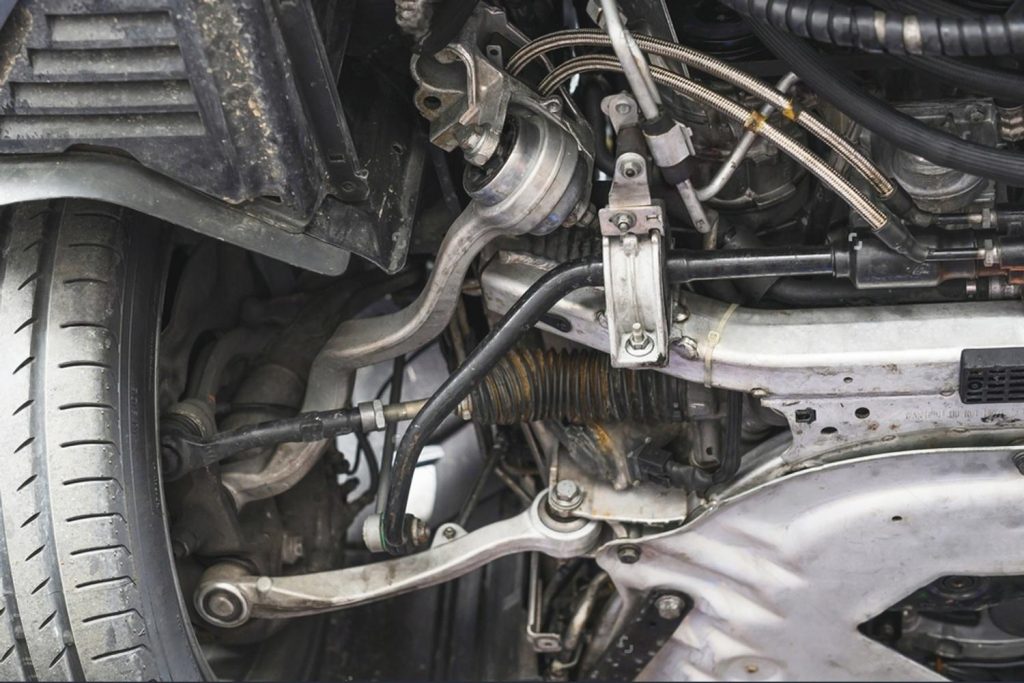
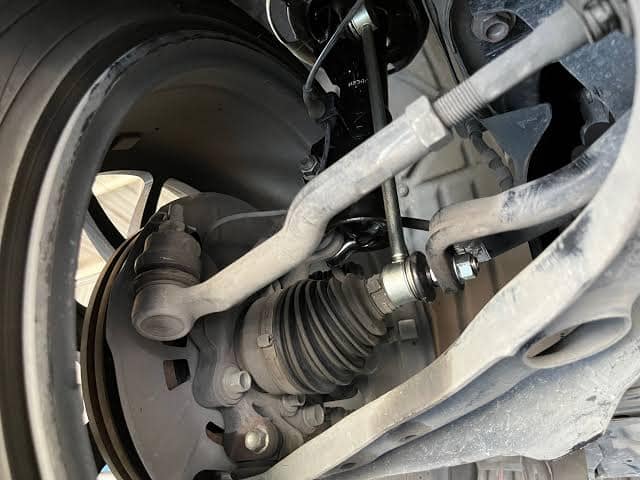
Damage to the rubber sleeve of the ball joints: As the use time increases, the rubber sleeve on the tie rod will become damaged and hardened. Once it breaks, stains and decayed objects can easily come into direct contact with the tie rod ball joints, which can easily cause the tie rod to rust.
Deformation or breakage of the tie rod: This situation usually occurs only in extreme cases. For example, if the vehicle is hit or a poor-quality tie rod is used, the tie rod will bend, twist, deform or break. If you find this situation, please pull over immediately and seek professional help to ensure driving safety.
Abnormal noise symptoms
During driving, especially on bumpy roads or when turning, you may hear “clicking”, “clicking” or dull clicking sounds. It is likely that the steering rod ball joint is damaged or loose, or there is a problem with the connection between the rod and other components. This causes abnormal impact and friction sounds during movement.
Summarize
No matter what kind of fault your tie rod has, it means that it needs to be checked or repaired. It is also recommended that you check your vehicle regularly every 6-12 months to ensure that you can drive safely.