Every part of your car works together to maximize its effectiveness. The little serpentine belt should not be ignored. This article will take you through the highlights of what are the signs of its damage.
What is a serpentine belt?
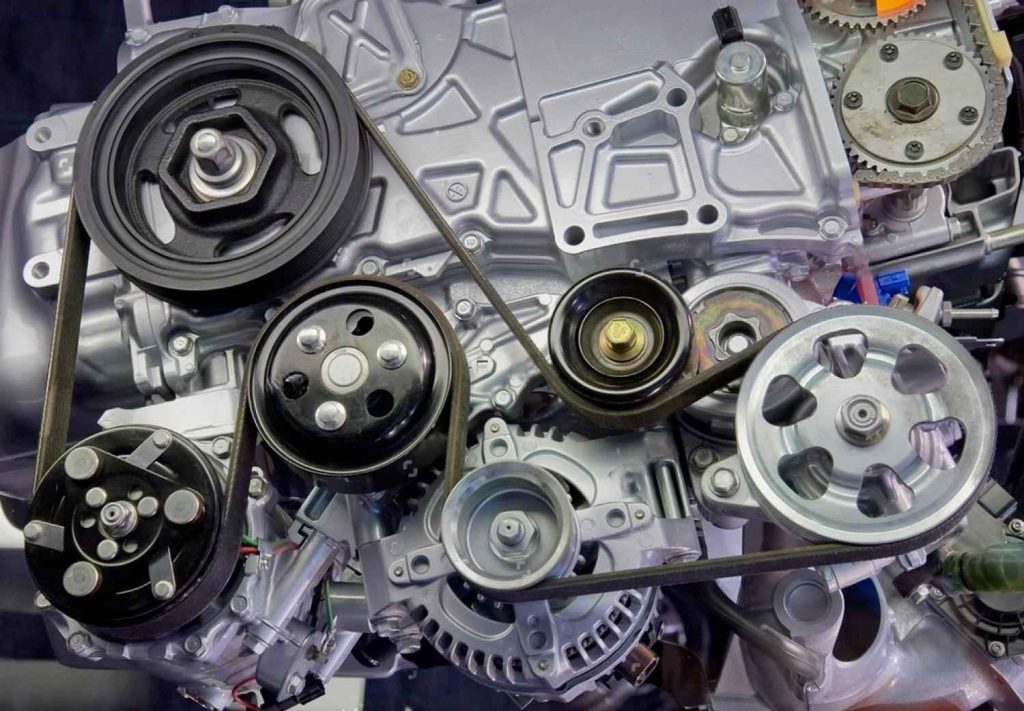
A serpentine belt is a looped band that connects the engine to other components and is a very small automotive accessory. It consists of some sort of tough back and inner threads, usually with an inner lining made of a soft, high-friction material. Without the serpentine belt, the engine’s power would not be transmitted to the water pump, power steering pump, tensioner pulley, and air conditioning compressor. This affects the normal operation of the car.
How does a serpentine belt work?
The serpentine belt is mounted on an accessory near the engine. Because the engine generates power inertly, the serpentine belt can bring tension, so power transmission can be realized through the tension of the serpentine belt. Please note that all serpentine belt installations must be kept at the same level, otherwise, the belt will fall out of the slot that is fitted to the booster pump or the water pump, aborting the power transmission.
Serpentine Belt vs Timing Belt
| Aspect | Serpentine Belt | Timing Belt |
| Function | Drive the AC generator, power steering pump, air conditioning compressor, and water pump components to operate | Synchronizing crankshaft and camshaft |
| Damage result | Part stopped working | The car stopped straight away |
| Installation location | Front of engine | Side of engine |
| Appearance shape | Wedge-shaped (V-shaped) | Tooth or ribbed |
| Replacement cycle | 60,000-100,000 miles | 60,000-100,000 miles |
| Car status | Car can be moved | The car can be moved |
| Replacement cost | $70-200 | Engine failure stopped working |
Symptoms Of A Bad Serpentine Belt
It’s common knowledge that most things appear a little ahead of time before they get damaged. Your serpentine belt is no exception. This article has compiled all the signs of possible serpentine belt damage for you. As soon as you notice them, have your vehicle checked.
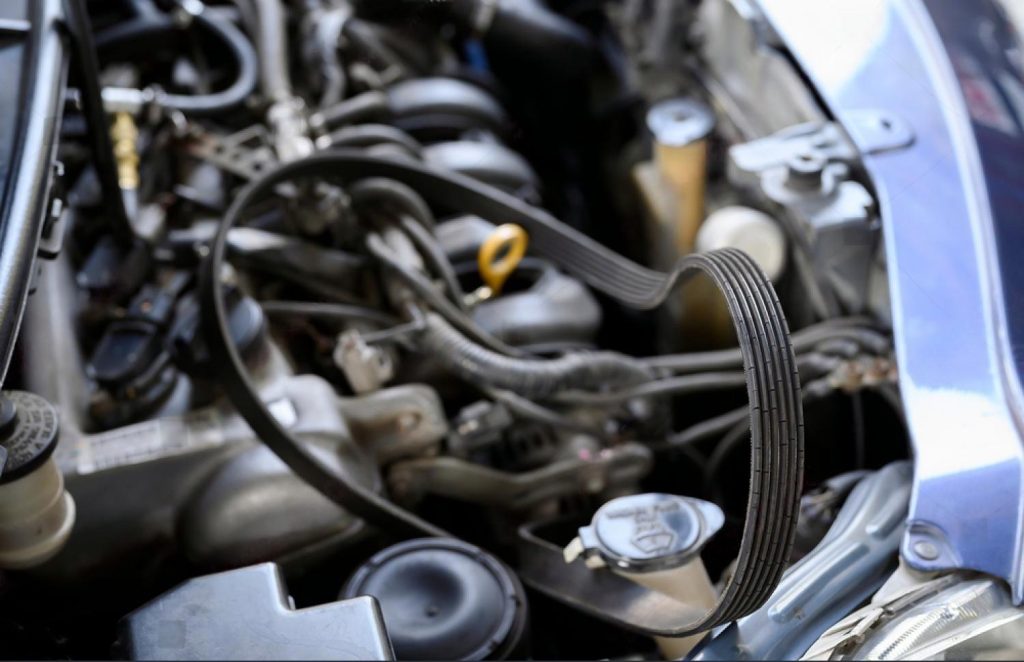
- Noise/Squeak: The serpentine belt is fastened to the power pump, alternator, water pump, etc. by the V-groove on the inside. When the friction appears to squeak, you must check your belt.
- Fault light is always on: when the engine power can not be transmitted to the alternator through the serpentine belt, your dashboard fault light will always be on prompting you to have abnormal.
- Unexplained loss of power steering assist/not working: Your car’s lack of power steering assist should also be troubleshooted for a serpentine belt problem.
- High engine temperature: The water pump drives the coolant to circulate in the engine, and the normal circulation takes away the heat generated by the engine operation. If there is a problem with the belt, then the water pump can not operate normally. No coolant engine temperature will continue to rise.
- Engine stalls directly: Serpentine belt damage can bring serious performance damage, sometimes leading directly to engine stalling.
- Black smoke from exhaust: Your exhaust pipe starts to emit black smoke, which means that your car has a problem, and the serpentine belt is also a component that you must check.
- Air conditioner not cooling: You drive in summer and you turn on the air conditioner, but if your serpentine belt has problems, your air conditioner compressor will not continue to work.
- Car battery fails for no reason: the alternator works properly and is able to charge the car battery normally, but when the serpentine belt has problems and does not continue to charge the battery, then the battery will fail.
- Smell the burning flavour: when you are driving, smell rubber and another burning flavour, it may be your serpentine belt working temperature is too high, resulting in a burning paste.
- See the smoke: ask to the rubber burning at the same time, there may also be smoke from your hood gap wafted out. This is when you need to check the serpentine belt properly as well.
- Visible Cracks and Wear: The condition of the serpentine belt is a must-check when you’re doing your daily inspections. When you find that it has cracked at four consecutive break points, you need to consider replacing the belt.
Can You Replace Your Own Serpentine Belt?
You want to know if you can replace the belt on your own, there are three main rules of behaviour, and if you meet all of them you can replace it on your own. If not, then you need to leave it to a professional repairer.
First of all, replacing the serpentine belt requires some experience and skill to know where and how to replace the belt. In fact, you need to have a full set of tools, dismantling car parts all need special supporting tools, or no tools are also unable to operate the replacement. The last thing is to familiarize yourself with your car model and make sure that you install the correct type of serpentine belt.

When You Should Check Your Serpentine Belt
Regularly checking your car is something that every car owner does. This helps us to detect car problems and prevent breakdowns in time. It is also important to check your serpentine belt on a regular basis. It is generally recommended that you check it when you change the oil to make sure that there are no unusual problems. Secondly, whenever your car travels 6,000-10,000 inches miles it needs to be replaced regularly as the serpentine belt replacement cycle is up. If your vehicle has been out of service for a long time, the belt can also harden due to environmental factors and you should check it before you start your car.
What happens if I don’t replace the serpentine belt?
1. The work of vehicle accessories is affected: problems such as power supply, air-conditioning cooling and abnormal engine heat dissipation occur.
2. Existing safety hazards: The steering and braking assistance effect is reduced, bringing driving hazards.
3. Increase additional maintenance costs: The Serpentine belt connects multiple components, once damaged, it will affect multiple components, increasing maintenance costs.
Summarize
In conclusion, please pay attention to your serpentine belt. Good operation can guarantee your travelling safety.