You know what? When you master the skill of changing brake pads and brake rotors. It can not only save maintenance costs, but also improve the awareness of vehicle maintenance. Brake system is one of the core components of automobile safety. The degree of wear of brake pads and brake rotors will affect the braking effect.
Necessity of replacing brake pads and rotors
Brake pads
Brake pad wear will reduce the braking effect and increase safety risks.
For example: in 2018, a driver in the United States could not brake in time on the highway due to excessive wear and tear of the brake pads, resulting in a multi-end collision. Remind you to check and replace brake pads regularly to avoid a repeat of the tragedy. Don’t ignore it. Your safety depends on it.

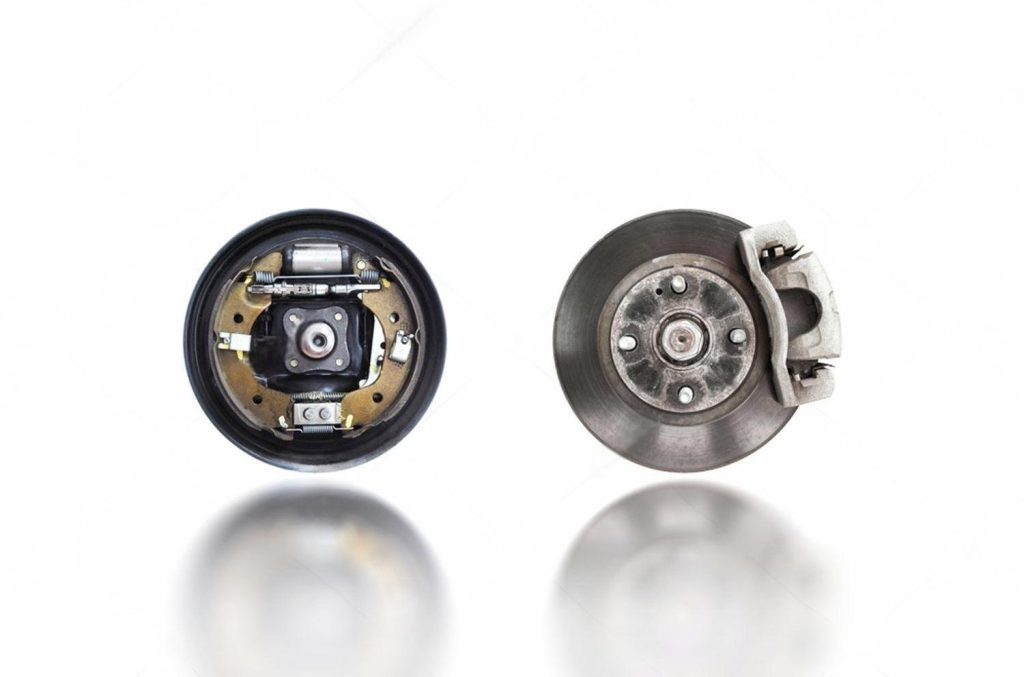
Rotors
Wear or deformation can cause your brakes to jitter and rattle, affecting braking performance.
Therefore, regularly check and replace the brake pads and rotors to ensure the normal operation of the brake system and ensure driving safety.
Tools and materials required for replacement
Tools:
Jack and bracket: You use to lift the vehicle and secure the support.
Wrench and socket: mainly to help you remove the tire and brake caliper bolts.
Torque wrench: Ensure that the bolt is tightened according to the specified torque
C-clamp or piston return tool: can be used to push the brake caliper piston back
Screwdriver or pry bar: Help you remove old brake pads or adjust parts.
Wire brush: Use it to clean rust and dirt on brake calipers and brackets.
Lubricant: It is used to lubricate the skid pin and contact point of the brake caliper
Gloves and goggles: Protect your hands and eyes.
Materials:
New brake pads and brake discs: Make sure they match your model
Brake cleaner: For your clean brake discs and calipers.
High temperature grease: used to lubricate the back of brake pads and caliper slide pins.
Anti-bite mixture (optional) : Used to prevent bolt rust.
How to replace brake pads and rotors?
- Safety first
Before starting, you need to stop the vehicle on a flat surface, tighten the handbrake, and use a jack and bracket to secure the vehicle. Wear gloves and goggles to avoid injury or dust in your eyes. Safety always comes first!
- Remove wheel
You need to use a wrench or impact wrench to loosen the wheel bolts, then jack up the vehicle and remove the wheels.
- Loosen the caliper bolt
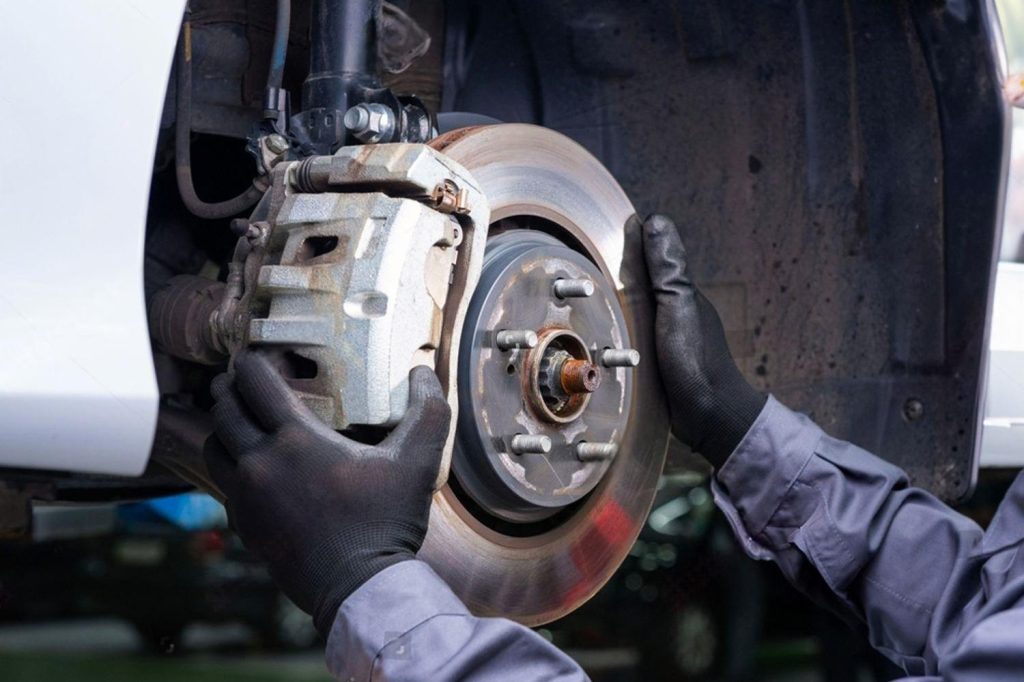
Once you have found the brake caliper, you need to loosen the bolts holding the caliper in place with a wrench or socket. Carefully remove the caliper to avoid pulling on the brake line
- Remove old brake pads and rotors
After removing the caliper, you will see the old brake pads and rotors. You need to remove the old brake pads from the caliper bracket.
- Prepare new rotors
Before installing the new rotor, you need to clean the hub contact surface with a cleaner. After ensuring that there is no dirt, align the new rotor with the hub and secure it with screws.
- Retract the caliper piston
You will need to use a C-clamp or a special tool to push the caliper piston back into place to make room for the new brake pads.
- Install new brake pads
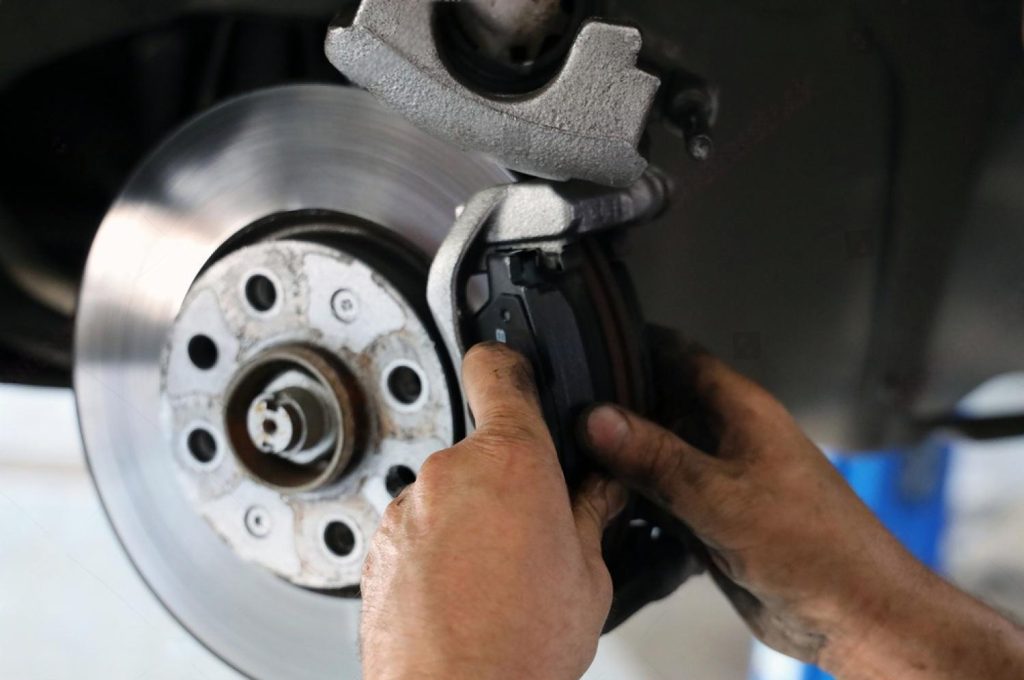
You will need to place the new brake pads into the caliper bracket to make sure they fit correctly.If the brake pads come with a silencer or lubricant, follow the instructions for proper installation.
- Reassemble
Reinstall the caliper to the car bracket and tighten the caliper bolts. Then put the wheels back on, tighten the wheel bolts, and lower the vehicle. Finally, gently step on the brake pedal several times to ensure that the brake pads are in good contact with the rotor and the brake system can work normally.
How long do brake pads and rotors last?
Brake pads can usually last 30,000 to 70,000 kilometers, and rotors can last 60,000 to 120,000 kilometers. The specific life span depends on driving habits, road conditions and materials.
How long do brake pads and rotors last?
The cost of replacing brake pads and rotors varies by model and region.
You can expect to spend $50- $150 on brake pads, $100- $300 on rotors, plus $100- $300 on labor, for a total of about $250- $750.
In any case, regular inspection and replacement of brake systems is an important investment in keeping you safe on the road.
FAQ
Why do my brakes squeak after new pads and rotors?
The new brake pads and rotors need a period of running-in. There may be a slight squeaking sound at the beginning, which usually disappears after driving several hundred kilometers.
What causes brake judder?
It could be due to the new brake rotors not being installed correctly or having an uneven surface. You can check if the brake discs are installed flat. If necessary, replace or rework the brake discs.
What do you mean there’s a warning light on my brake system?
It might be due to the incorrect installation or damage of the brake pads wear sensor. You can check the sensor connection and replace it if necessary.
Why do brakes overheat?
It may be frequent sudden braking or brake pads and brake discs are not fully running-in, you can try to avoid sudden braking, running-in for a period of time after the problem usually disappears.