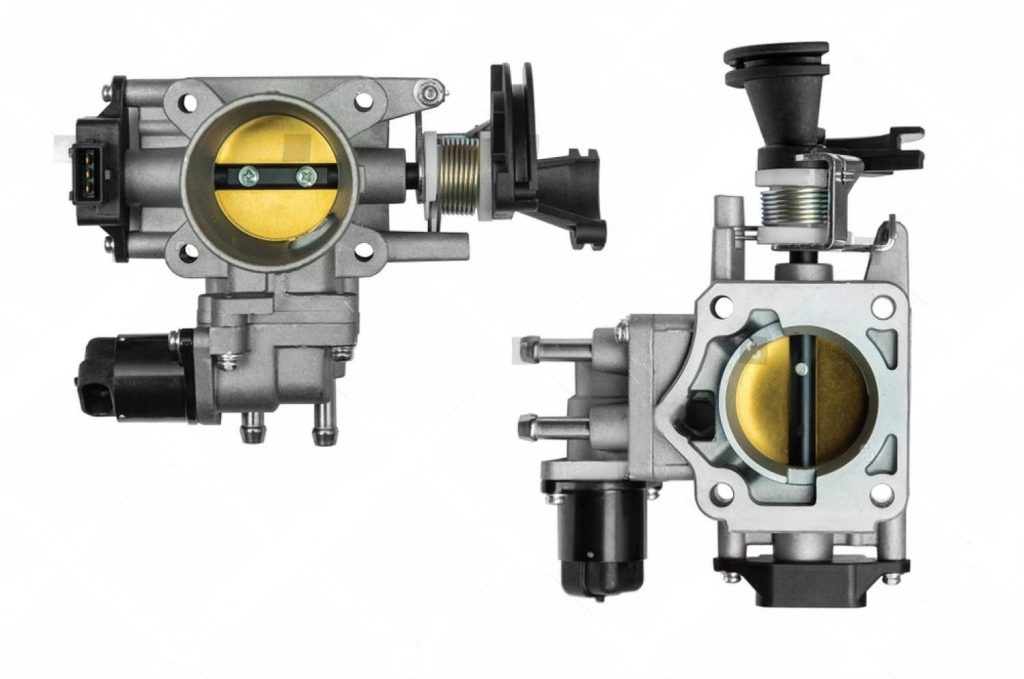
What is a Throttle Body?
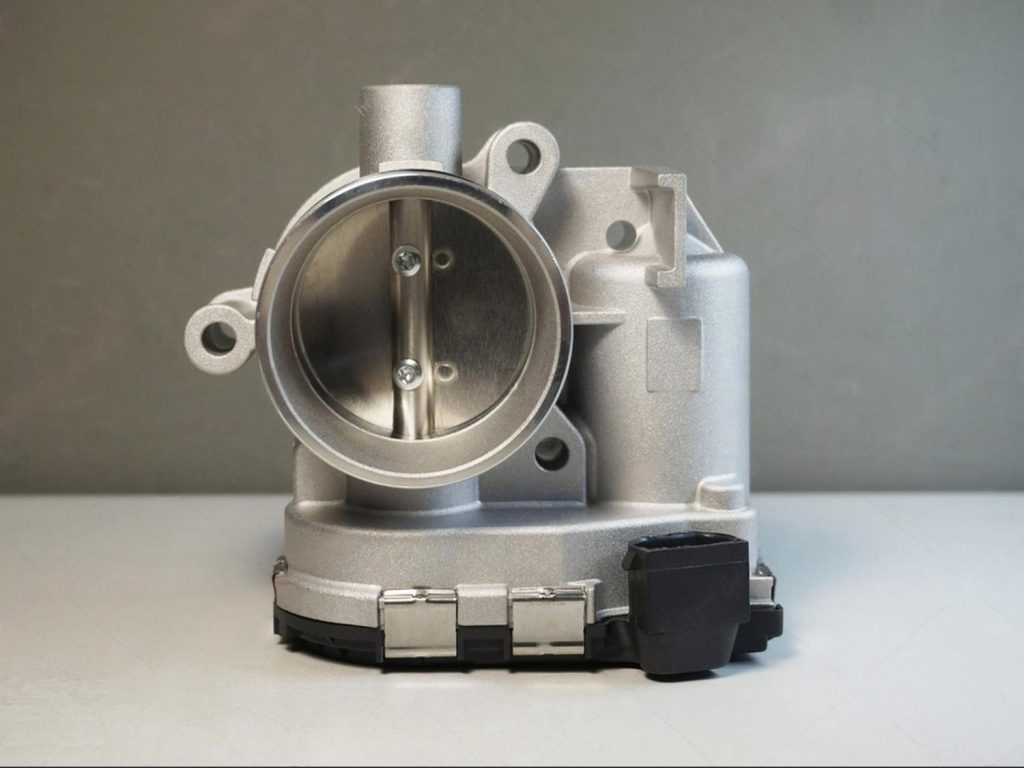
The throttle body is a key component in the air intake system of a car engine. It is generally composed of a throttle, a throttle position sensor, an idle air control device, etc. It has a throttle plate to control the air intake of the internal combustion engine. Whether it is a traditional fuel car or a new energy car, accurate air intake control is achieved by stepping on the accelerator.
What Does a Throttle Body Do?
The throttle body has three main functions: airflow regulation, idle speed control, and power transmission. The first is to adjust the air volume to match the fuel injection when the engine is inhaled, which can ensure full combustion. The second is that the engine also needs to maintain a stable idle speed (600-800RPM). Finally, the accelerator pedal controls the throttle movement to achieve the function of power transmission.
Signs of a Failing Throttle Body
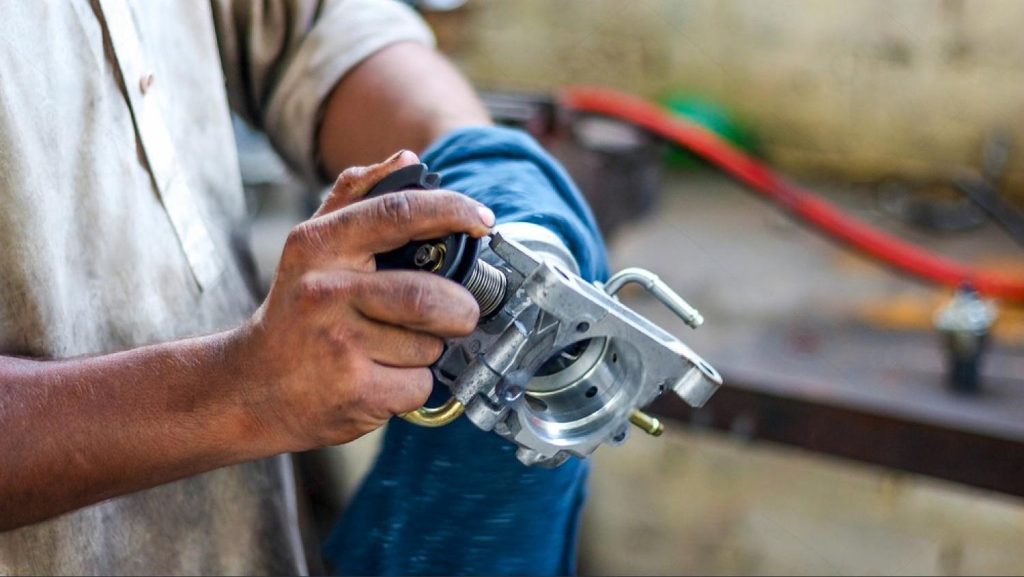
The throttle body is an important component. If it fails, it will affect vehicle performance, fuel efficiency, and even safety. If you ignore throttle body failure, it may lead to expensive repair costs or even engine damage. This is a big loss. In this blog, JCMSTECH tells you the main signs of throttle body failure, possible solutions, and prevention tips, which you can use as a reference to judge the impact of throttle body failure on the smooth operation of the vehicle.
1. Check Engine Light Illumination
One of the earliest warnings is the activation of the check engine light. Modern vehicles rely on sensors to monitor throttle body performance, and irregularities like improper airflow or sensor malfunctions (e.g., error codes P0121 or P2119) trigger this alert. Use an OBD-II scanner to diagnose the specific issue, as the light could also indicate unrelated problems.
2. Irregular or High Idling
A malfunctioning throttle body often causes unstable idling. You might notice RPMs fluctuating erratically, the engine shaking at rest, or idling too high (e.g., 2,000 RPM instead of 800–1,000 RPM). This occurs due to air leaks, carbon buildup, or faulty sensors disrupting airflow regulation. For example, a leaking throttle body gasket can introduce excess air, leading to a lean fuel mixture and erratic idle.
3. Poor Acceleration and Throttle Lag
If pressing the gas pedal results in delayed response or jerky acceleration, the throttle body may be failing. Dirt-clogged butterfly valves or faulty throttle position sensors (TPS) prevent proper air intake, starving the engine of power. In drive-by-wire systems, wiring corrosion or ECU communication errors can also cause hesitation.
4. Engine Stalling or Surging
Stalling at low speeds or sudden RPM surges are red flags. A severely clogged throttle body restricts airflow, causing the engine to shut off unexpectedly. Conversely, electrical issues (e.g., damaged wiring or a failing idle air control valve) may lead to erratic RPM spikes.
5. Reduced Fuel Efficiency
A struggling throttle body disrupts the air-fuel ratio, forcing the engine to burn excess fuel. If your mileage drops by 15% or more, inspect the throttle body for carbon deposits or sensor failures.
6. Black Exhaust Smoke
Unburned fuel exiting the exhaust as black smoke signals an imbalanced air-fuel mixture—often due to a dirty or malfunctioning throttle body. This symptom is less common but indicates advanced issues requiring immediate attention.
7. Unusual Noises or Reduced Power
Whining or humming noises from the engine bay may stem from a stuck throttle plate or failing actuator motor. Reduced power, especially uphill, further confirms airflow restrictions.
Solutions and Maintenance Tips
Immediate Fixes:
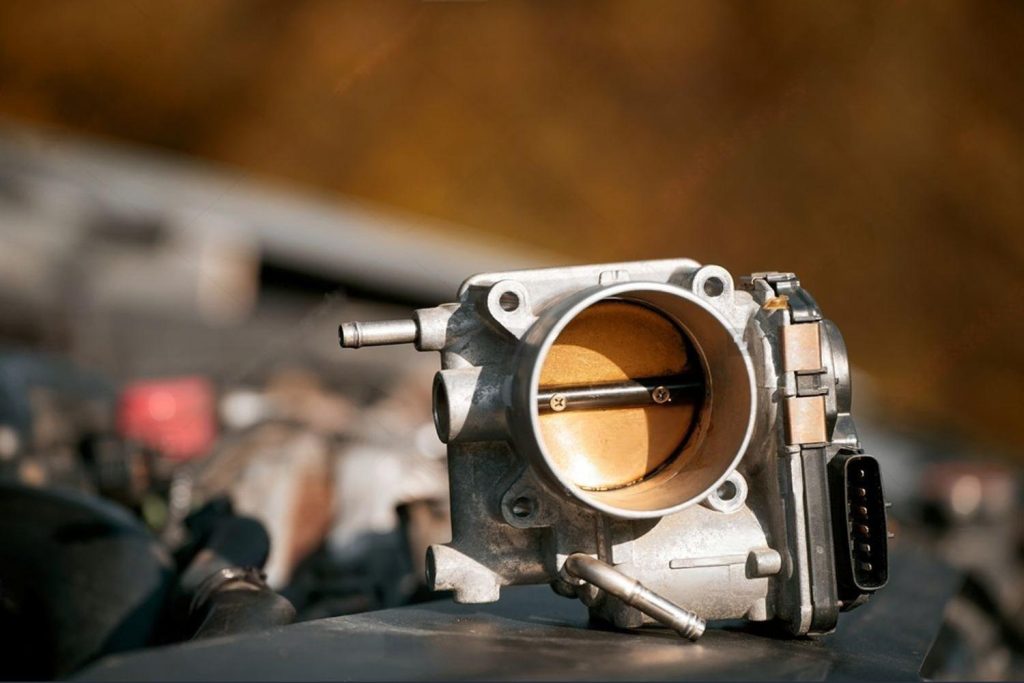
– Clean the Throttle Body: Use a specialized cleaner and soft brush to remove carbon deposits. DIY cleaning can resolve minor issues.
– Replace Faulty Components: Worn sensors, damaged gaskets, or corroded wiring may require replacement. For example, a leaking throttle body gasket often causes high idle and should be swapped promptly.
Long-Term Prevention:
– Regular Inspections: Check for dirt buildup, leaks, or worn parts during routine maintenance.
– Use High-Quality Fuel: Premium fuels reduce carbon accumulation.
– Professional Calibration: After replacing the throttle body, recalibrate it with the ECU to ensure proper synchronization.
How to Install a Throttle Body?
Tools Needed: Screwdriver set, torque wrench, throttle body gasket, OBD-II scanner (for recalibration).
Steps:
- Disconnect the battery to prevent electrical shorts.
- Remove the air intake hose and electrical connectors (sensors, motor).
- Unbolt the throttle body from the intake manifold.
- Clean the mating surface and install a new gasket.
- Mount the new throttle body and reconnect components.
- Perform a throttle relearn procedure using a diagnostic tool.